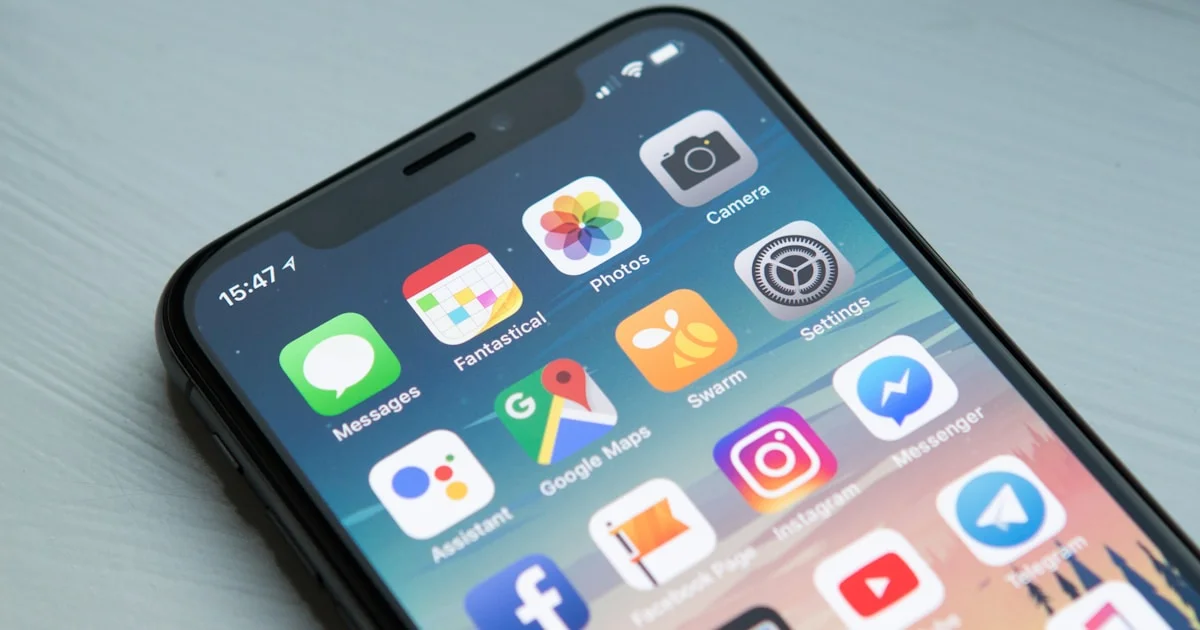
Here is the situation in plain numbers: roughly 78-82% of retail site traffic now comes from mobile devices. Mobile commerce volume is projected to exceed $710 billion in 2025 alone. And yet the average mobile conversion rate across Shopify stores sits around 1.4 percent, while desktop still converts at closer to 3-4 percent. You are sending the majority of your paid traffic into a funnel that converts at half the rate of the minority.
That is a checkout problem, not a traffic problem.
The gap is real, and it is not closing on its own
The data on mobile browsing versus mobile buying has been consistent for years. Mobile gets the attention, the scrolling, the discovery. Desktop gets the credit card. Analysts call it the "mobile conversion gap," and it has persisted despite widespread awareness because most DTC brands treat mobile optimization as a design checklist rather than a revenue lever.
LittleData benchmarked 2,800 e-commerce sites and found the average checkout completion rate is 45 percent. That means more than half of the people who reach checkout do not complete their purchases. On mobile, that number gets worse. According to Shopify's Q3 2025 data, smartphones account for roughly 78 percent of retail site visits worldwide. But when you break down conversion rates by device, desktop still outperforms mobile by 2-3x in most categories.
People browse on their phones because they want to buy. The gap is about friction, not intent.
The four friction points that kill mobile conversions
Load time. Google has published research showing that 53 percent of mobile site visits are abandoned if a page takes more than three seconds to load. Portent's research goes further: a site that loads in one second converts three times better than one that loads in five seconds. The problem is not that brands do not know this. Unbounce surveyed 750 consumers and found that nearly 70 percent say page speed directly impacts their willingness to buy. And yet only 3 percent of marketers list faster load times as their top priority. The site is slow. The brand knows it is slow. Nothing changes.
Form fields and checkout steps. The average mobile checkout asks a shopper to fill out 15 to 25 individual fields: name, address, city, state, zip, email, phone, card number, expiration, CVV, and billing address confirmation. Typing all of that on a five-inch screen, with autocorrect fighting you at every step, is a conversion killer. Baymard Institute research on cart abandonment consistently shows that "too long or complicated checkout process" ranks among the top reasons users bail. On mobile, this friction is compounded because errors are harder to catch, and correcting them means scrolling back up through a cramped form.
Payment options. If your checkout does not offer Apple Pay, Google Pay, or Shop Pay, you are asking a mobile user to do the one thing they hate most: type a 16-digit card number on a small keyboard. That is a structural barrier, not a minor UX issue. The shoppers most likely to impulse-buy on mobile are the same shoppers least willing to go find their wallets.
Thumb navigation and tap targets. Mobile checkout flows designed for desktop have buttons that are too small, links that sit too close together, and navigation patterns that require precise tapping. When a user misses a tap on "Apply promo code" and accidentally taps "Remove item," there is a real chance they will abandon the process rather than try again. The physiological reality of thumb-based navigation has design requirements that most checkout flows ignore.
What happens when brands actually fix it
The data on accelerated checkout is unambiguous. Shopify's internal research found that Shop Pay delivers a 91% higher checkout-to-order conversion rate than standard guest checkout flows. That is the difference between a checkout that works on mobile and one built for a keyboard and mouse.
The mechanism is simple: Shop Pay prefills the address and payment information for returning users, letting them complete a purchase in two taps. No typing. No hunting for a card. No friction between intent and transaction.
Allbirds, Gymshark, and Rare Device are all documented examples of brands using Shop Pay and express wallet options as core parts of their mobile checkout strategy. Rare Device specifically offers six express checkout options at the top of its checkout flow, before any form fields appear, recognizing that the best checkout is the one the user never fully has to complete.
Buy now, pay later (BNPL) solutions like Afterpay and Klarna add a second layer. For higher-price-point DTC brands, BNPL removes the commitment barrier: instead of asking a mobile shopper to spend $120 at once, you give them a button that says "4 payments of $30." Klarna has reported that merchants offering BNPL see conversion lifts in the 20 to 30 percent range, with average order values also increasing because the installment framing removes price resistance.
Across these cases, the move is the same: reduce the decisions and keystrokes required to complete a purchase on a phone.
The page speed argument, one more time
Google's Core Web Vitals make this a business problem as well as a UX problem. Sites that fail speed benchmarks rank lower in mobile search, which means you pay more for paid traffic to compensate for organic losses. The Unbounce Page Speed Report found that most marketers are not hitting Google's recommended load times, and that 81 percent know speed influences their conversions but still do not treat it as a priority.
If your mobile pages load in more than three seconds, you are paying acquisition costs to send people to a checkout that loses more than half of them before they type a single character.
The takeaway
Mobile is the primary channel for most DTC brands: already the majority of traffic, the majority of ad clicks, and a rapidly growing share of revenue. The brands winning on mobile are not doing anything exotic: they are offering express checkout options, cutting form fields, loading fast, and treating BNPL as a conversion tool rather than a financing product.
The mobile conversion gap is a list of solvable friction points. Fix them before acquisition costs make the math impossible.
If 80 percent of your traffic is mobile and your checkout still looks like 2014 desktop, every dollar you spend on ads is partially wasted. Start there.